Rulers of Olympus. Masters of Strife.
The Greco-Roman Crest is forged in the image of the Aegis — the divine shield of legend — but at its heart sits Medusa, a reminder of the power and cruelty of the gods.
On the left, Jupiter's Lightning Bolt, a fearsome weapon of awe forged by the Cyclopes. On the right, Neptune's Trident, dominion over the seas and everything beneath them. Resting at the crown, the Helm of Darkness, Pluto's shroud of invisibility.
Together, the three weapons of three brothers who divided the cosmos between them and built a new world from the ruins of the old.
Face frozen mid-scream, a reminder that the Greeks rose from forces older and darker than Olympus.
Jupiter's weapon of absolute rule, forged by the Cyclopes as the ultimate expression of sovereign authority.
Neptune's claim over the seas and the deep, one of three divine weapons that carved the cosmos.
Pluto's crown of invisibility signifying his dominion over death and the unseen.
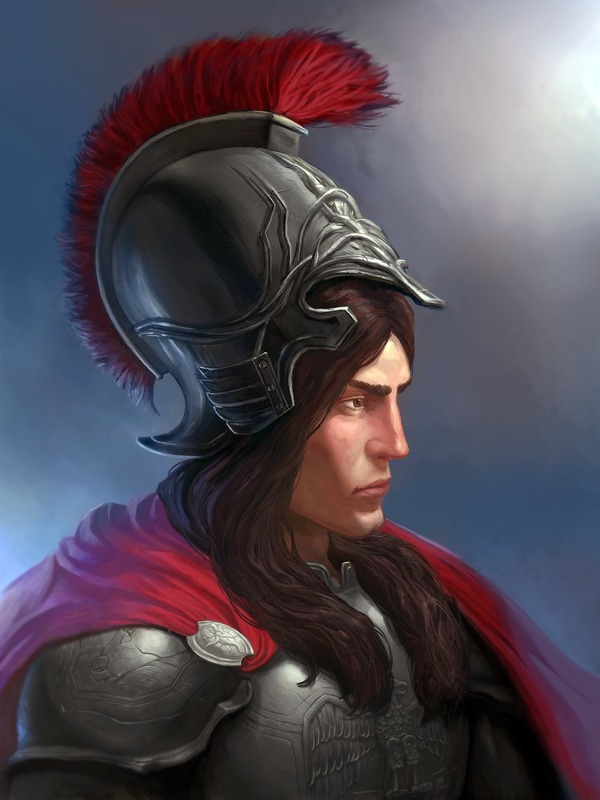
The supreme ruler of Olympus and king of all gods — a lineage forged through patricide, prophecy, and sheer conquest. Zeus initially overthrew the Titans who came before him to build a new divine order, only to be supplanted by Jupiter once the Romans conquered all of Greece. His arrangements with other pantheons have shaped history in ways even he does not yet understand.
Artifacts
The "Heavenly Aphrodite," an older, more ethereal aspect of the goddess representing divine love and spiritual harmony. Influenced by earlier Near Eastern traditions, she was also worshipped as a cosmic Queen of Heaven.

The goddess of love, beauty, and desire. Born from the sea, she first came ashore at Paphos in Cyprus. She was symbolized by pearls and dolphins and attended by sea nymphs, later imagined as mermaids.

An earlier Greek god of war.

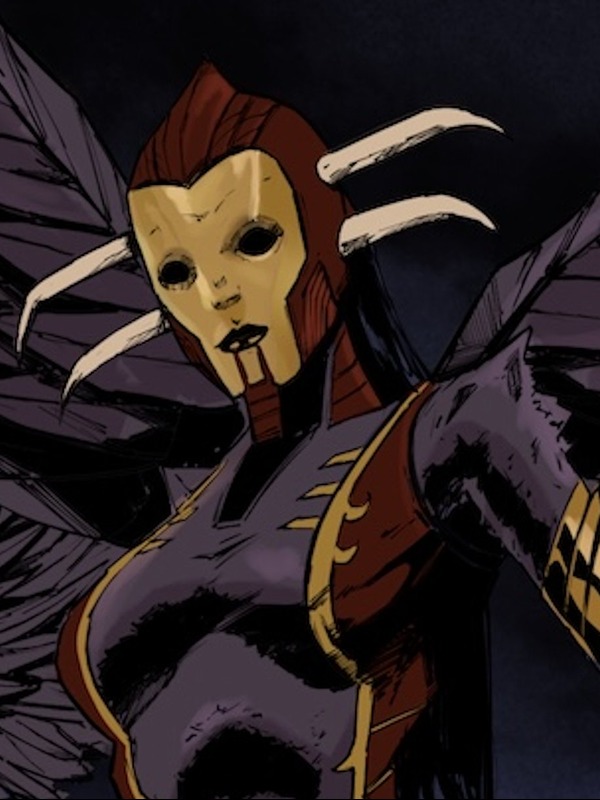
A herald of the harpies; her name means "The Stormy One".

Storm spirits, part woman and part bird, known for snatching people away and serving as agents of divine punishment.

Daughters of Nereus, The Old Man of the Sea. They were known as Nereids, or sea nymphs, and were attendants of Aphrodite.

A mythic metalworker said to craft magical rings and jewelry.
Meaning "of the sea", often the name for a generic sea god or spirit.
The god of wine, festivity, and ecstasy. In later tradition, he was counted among the Dodekatheon, replacing Hestia, the Goddess of the Hearth.